Solar EV Charger Installation in Perth: A Smarter Way to Charge
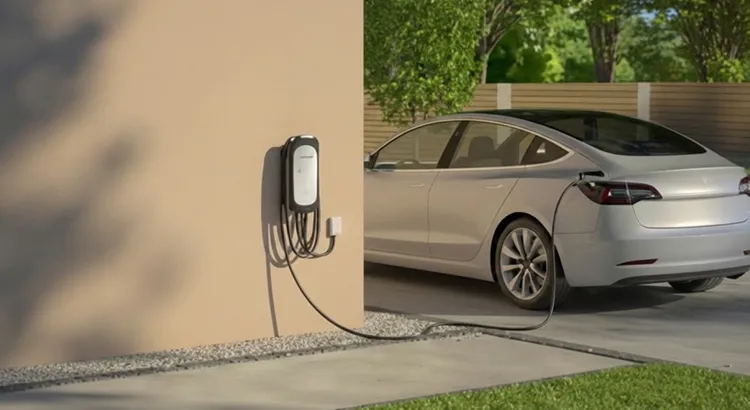
Electric vehicles are becoming an increasingly practical choice for Perth households, and the way an EV is charged can have a major effect on running costs and convenience. Combining rooftop solar with a dedicated charger allows homeowners to use more of the electricity they generate instead of relying entirely on energy from the grid. Solar EV Charger Installation in Perth can therefore become an important part of a modern home energy strategy, particularly for households that already have solar panels or are considering a new system. A properly designed setup can coordinate solar generation, household electricity demand and vehicle charging according to available energy. Western Australian Government guidance also recommends considering dedicated EV chargers and charging during solar-generation periods where practical.
What Is a Solar EV Charger?
A solar EV charger is a dedicated charging system designed to work alongside a property's solar power system. Instead of simply drawing electricity whenever the vehicle is connected, a compatible smart charger can be configured to make better use of available solar generation. Depending on the charger and energy system, the vehicle may be charged using surplus solar electricity during the day, while scheduled charging can also be used when solar production is unavailable. This makes the arrangement more flexible than relying on a conventional household power point. A dedicated charger can also provide greater convenience and faster charging than a standard outlet. The exact charging rate depends on the vehicle, charger, household electrical supply and installation design. Western Australian guidance recommends checking whether a home has single-phase or three-phase supply before selecting a charger.
Why Solar Charging Makes Sense in Perth
Perth receives strong solar resources for much of the year, making daytime solar generation particularly useful for households with EVs. Instead of sending excess electricity away from the home or using grid electricity to charge a vehicle later, homeowners can potentially direct more of their solar generation toward transport. Solar EV Charger Installation in Perth can help connect these two energy needs into one coordinated system. The greatest benefit often comes when charging schedules match the household's solar production. For example, a vehicle parked at home during daylight hours can potentially receive energy while the rooftop system is generating electricity. Smart charging can also help homeowners manage when charging occurs rather than leaving the vehicle to charge at maximum available power continuously. This approach can improve energy utilisation while making the EV a more integrated part of the home's electricity system.
Main Benefits of Solar EV Charging
The biggest attraction of solar EV charging is the ability to make better use of electricity generated at home. An appropriately configured system can provide several practical benefits for EV owners.
- Greater use of self-generated solar electricity
- Convenient home charging without regular trips to public chargers
- Better control over charging schedules
- Potential reduction in grid electricity consumption
- Integration with existing solar and battery systems
- Smart monitoring through compatible charger applications
- A more future-ready household energy setup
The actual financial benefit depends on factors such as solar-system size, EV battery capacity, driving distance, charging schedule, electricity rates and household energy consumption. It is important to look at the entire energy profile rather than assuming that every solar EV system will deliver the same savings.
Choosing the Right Charger
Selecting the correct charger is one of the most important decisions in Solar EV Charger Installation in Perth. A charger should match the vehicle's charging capability as well as the property's electrical infrastructure. Some homes may be well suited to a single-phase charger, while properties with three-phase electricity may have additional options. Charger power should also be considered alongside daily driving requirements. A higher-powered unit is not automatically the best choice if the vehicle cannot accept that charging rate or if the home's electrical capacity requires expensive upgrades.Smart features can be equally important. Homeowners may want a charger that can monitor solar production, schedule charging, manage available power and communicate with an energy-management platform. The Western Australian Government specifically recommends asking installers whether a charger can integrate with existing solar panels or battery storage and whether it supports power-management and scheduling functions.
Solar EV Charger Installation Process
A professional installation normally begins with an assessment of the property and existing electrical system. The installer can review the switchboard, determine the available electrical capacity, identify a suitable charger location and examine the distance between the charger and electrical equipment. Cable routing is also important because long or complicated cable runs can increase installation requirements.The next stage involves selecting a compatible charger and designing the connection between the EV charger and the home's energy system. If solar integration is required, the installer should consider how solar generation, household consumption and vehicle charging will interact. Depending on the property, additional electrical work may be necessary. The charger is then installed, connected, tested and commissioned. A licensed electrician should carry out the required electrical work. The WA Government advises homeowners to engage a licensed electrician when installing a dedicated home EV charger.
Understanding Installation Requirements
Electrical safety should always be a priority when installing an EV charger. The charger creates a significant electrical load, particularly when operating at higher charging rates for extended periods. The home's wiring, switchboard and protective equipment therefore need to be suitable for the proposed installation. An assessment can identify whether an existing electrical system is capable of supporting the additional load or whether an upgrade should be considered.For properties connected to the South West Interconnected System, Western Australia introduced new requirements for new and upgraded rooftop solar and battery systems from 1 May 2026. These changes are part of the state's broader distributed-energy framework. If solar, batteries and EV charging are being installed together, homeowners should have the complete system assessed rather than treating each component as an isolated project.
Solar, Battery and EV Charger Integration
A home battery can add another layer of flexibility to an EV charging setup. During periods when solar production is high, surplus generation can be directed toward household consumption, battery storage or EV charging depending on system configuration and priorities. When solar production falls, the battery may provide stored energy for selected household loads or charging strategies, subject to the system's capabilities and settings.However, battery integration needs careful planning. Charging an EV from stored solar energy is not always the most economical choice because repeatedly moving energy through a battery can introduce additional losses and battery cycling. In many situations, using surplus solar directly for the vehicle during daylight hours may be preferable. A well-designed system should therefore consider when the car is normally parked, how much electricity it needs and how the household uses energy throughout the day.
Cost Factors to Consider
The price of Solar EV Charger Installation in Perth varies considerably because every property has different electrical and installation requirements. The charger itself is only one part of the total cost. Other factors can include cable length, charger power, switchboard condition, mounting location, solar-system compatibility, monitoring equipment and any required electrical upgrades.
| Installation Factor | Why It Matters |
|---|---|
| Charger type | Determines charging features and capabilities |
| Charging power | Influences charging speed and electrical demand |
| Single or three phase | Affects available charging configurations |
| Cable distance | Longer routes may require additional materials and labour |
| Switchboard capacity | May determine whether an upgrade is needed |
| Solar compatibility | Helps coordinate charging with solar generation |
| Battery integration | Can influence energy-management decisions |
| Smart controls | Allow scheduling and energy monitoring |
| Installation location | Affects mounting and cable-routing requirements |
Because installation conditions vary, homeowners should compare quotes based on the complete scope of work rather than looking only at the advertised charger price.
Making Better Use of Solar Energy
The real advantage of Solar EV Charger Installation in Perth comes from coordinating charging with the home's energy production. If the vehicle is usually away from home during the strongest solar-production hours, simply installing a solar-compatible charger may not maximise solar utilisation. In that situation, scheduled overnight charging may be more practical, particularly where suitable electricity tariffs are available.Conversely, households where an EV remains at home during the day can potentially make greater use of solar generation. Smart chargers can provide greater control over charging periods and, depending on the model, may respond to available solar power. The best approach depends on the household's routine. A good energy assessment should consider working hours, school runs, commuting distances, weekend travel and the time when the vehicle normally returns home.
Benefits for Different Types of Homes
Solar EV charging is not limited to large houses with extensive rooftop solar systems. Smaller households can also benefit when their charger and electricity usage are appropriately matched. The important consideration is whether the available solar generation and electrical capacity align with the EV's charging requirements.For larger properties, battery storage and smart energy management may provide additional flexibility. New homes can also plan the charger location and electrical infrastructure before construction is complete, potentially making installation simpler. Existing homes may require more attention to switchboard capacity and cable routing. Regardless of property type, Solar EV Charger Installation in Perth should be designed around actual energy consumption rather than simply choosing the highest-powered charger available.
Commercial Solar EV Charging
Businesses are also considering EV charging as electric vehicles become more common among employees, customers and commercial fleets. A commercial solar charging system can combine workplace charging with rooftop solar generation, helping businesses make more productive use of their available energy. Commercial installations may involve multiple chargers, load management, parking-bay planning and greater electrical capacity.The design requirements can be significantly different from a residential installation. Businesses need to consider how many vehicles require charging, how long they remain parked, whether charging is available to staff or customers and how much solar electricity is generated during business hours. Commercial charging can also support fleet electrification by creating a predictable charging location. For larger sites, professional planning is especially important because several chargers operating simultaneously can create substantial electrical demand.
How to Prepare Before Installation
Homeowners can make the installation process easier by collecting a few basic details before speaking with an installer. Knowing the EV model, existing solar-system size, inverter information, switchboard location and preferred charger position can help establish the initial requirements. It is also useful to understand when the vehicle is normally at home and approximately how many kilometres it travels each day.The WA Government recommends asking questions about charger location, maximum charging rate, safety features, warranty coverage, power management, scheduling, solar or battery integration and available electrical supply. These questions can help homeowners compare different solutions and avoid selecting equipment based solely on charging speed. A charger should provide the right combination of performance, compatibility, safety and convenience for the property.
Common Mistakes to Avoid
One common mistake is choosing a charger before checking the home's electrical capacity. Another is assuming that a solar-compatible charger will automatically use only solar energy in every situation. Actual behaviour depends on charger configuration, solar production, household demand and the energy-management system.Homeowners should also avoid focusing exclusively on maximum charging speed. A high-powered charger may be unnecessary for someone who drives relatively short distances each day. Another mistake is ignoring the location of the charger. A convenient position can make everyday charging much easier, while a poor cable route may increase installation complexity. Finally, choosing an installer without confirming licensing, experience and the complete scope of work can create avoidable problems. Proper assessment and installation are essential for a reliable long-term system.
Why Professional Installation Matters
Solar EV Charger Installation in Perth involves more than mounting a box on a garage wall. The charger becomes part of the home's electrical infrastructure and may interact with solar panels, batteries, smart meters and other major loads. Professional installation helps ensure that the system is appropriately designed, connected and tested.A licensed electrician can evaluate the property's electrical capacity, determine suitable protection and identify potential installation issues before work begins. Professional installation can also help ensure that the charger is correctly configured for its intended charging mode. This is particularly important for solar-aware charging because incorrect settings may result in the EV drawing electricity from the grid when the homeowner expected it to use surplus solar.
Future-Proofing Your Home
Electric vehicle technology and household energy systems are continuing to evolve. A charger installed today may remain in service for many years, so it makes sense to consider future requirements. Homeowners may eventually add more solar panels, install a battery, purchase another EV or increase their household electricity consumption.A smart charger with appropriate communication and scheduling capabilities can provide more flexibility than a basic charging unit. However, future-proofing does not necessarily mean purchasing the most expensive equipment. It means selecting equipment and electrical infrastructure that can reasonably accommodate expected changes. Discussing future plans during the initial installation can help prevent unnecessary replacement or major modification later.
Final Thoughts
The combination of rooftop solar and electric vehicle charging can turn a home into a more connected energy environment. Solar EV Charger Installation in Perth gives homeowners an opportunity to coordinate vehicle charging with solar generation while improving everyday charging convenience. The right solution depends on the EV, solar system, household electricity use, available electrical supply and charging routine.A successful installation should begin with a proper site assessment and end with a safely commissioned system that is simple to use. Homeowners should compare the charger, installation requirements, smart features and future compatibility rather than choosing solely on price or charging speed. With thoughtful planning, solar-powered EV charging can become a practical addition to a Perth home and an important part of a modern approach to household energy management.
https://www.google.com/maps/place/Perth+WA,+Australia/@-32.0396375,115.6318847,82973m
